Mur des Fédérés
At Père-Lachaise, the Mur des Fédérés marks the end of the Paris Commune. It works well as part of a walk through the cemetery’s eastern side.
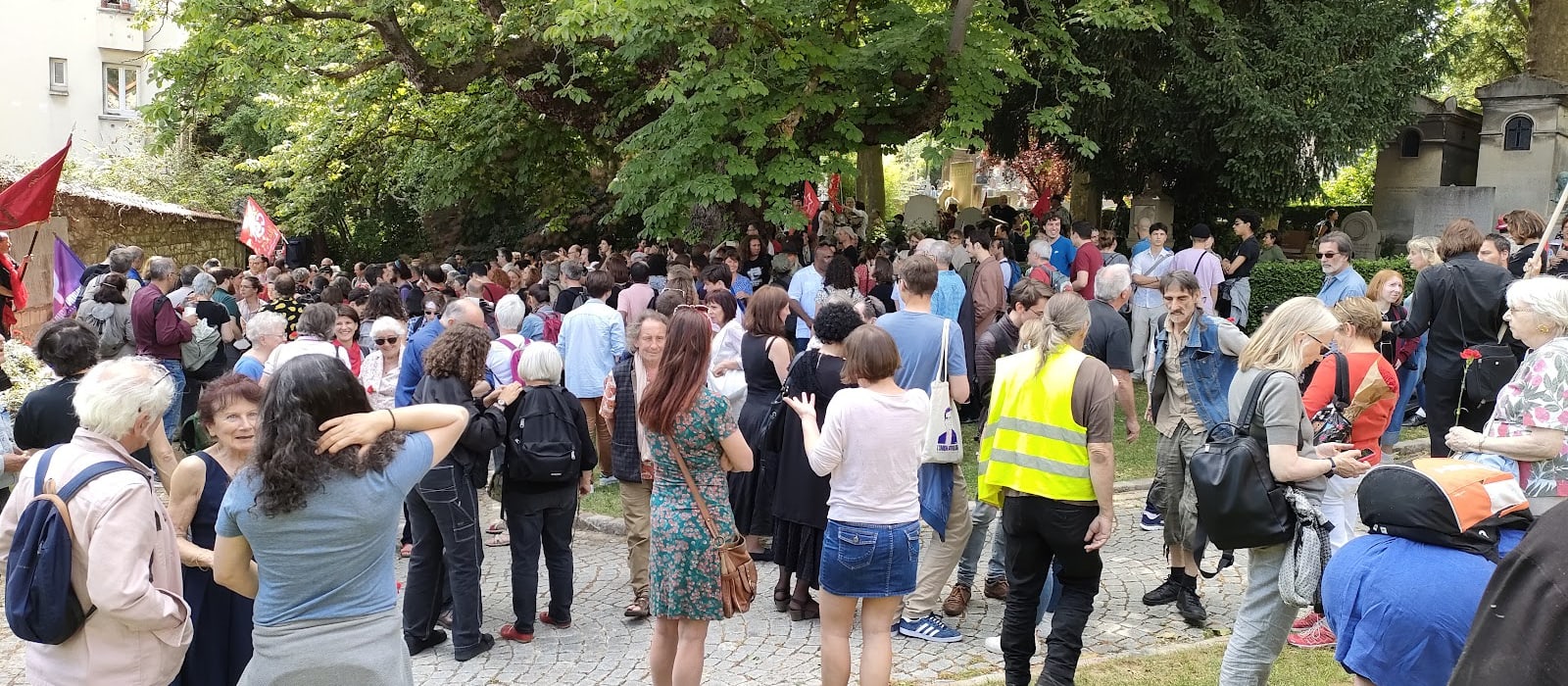
In pictures


About
The Mur des Fédérés at Père-Lachaise is a memorial tied to the Paris Commune. It recalls the repression of 1871. It remains an important site in French political history.
This is a restrained, reflective stop. Visitors come less for visual interest than for historical meaning. Time on site is brief. The visit makes more sense within the wider story of the cemetery and Paris.
The wall sits on the eastern side of Père-Lachaise. A cemetery map or phone navigation is useful. The paths can be confusing. The entrance facing boulevard de Ménilmontant is often a practical option. It depends on where you start.
Allow a short stop if your focus is only the Mur des Fédérés. Plan longer if you want to combine it with other graves or a broader walk through Père-Lachaise. It suits guests interested in Paris history more than those seeking a scenic visit. In warmer months, go earlier for easier walking and a quieter feel.
The Concierge's Tip
Start from the side facing boulevard de Ménilmontant and keep a Père-Lachaise map on your phone. The layout can be confusing. Early morning or late afternoon usually feels calmer and more comfortable for walking. If you plan to see several graves, group your route by area. Avoid crossing the cemetery back and forth. In wet weather, wear shoes with good grip on uneven paths.
Ask the Concierge
Our Concierge arranges your visit: skip-the-line tickets, a private guide, off-hours access.
Ask the ConciergeFrequently asked questions
- What is the Mur des Fédérés?
- The Mur des Fédérés is a memorial wall inside Père-Lachaise Cemetery in Paris. It is linked to the final days of the Paris Commune in 1871. Today, it is visited as a place of remembrance rather than as a decorative monument. A short historical overview makes the stop far more meaningful.
- Who were the fédérés?
- The term refers to fighters associated with the Paris Commune. In common usage, it mainly points to the Communards killed at the end of the uprising. At Père-Lachaise, the wall keeps that memory alive. It is not a museum display, but a historical marker within the cemetery.
- Who were the Communards in France in 1871?
- The Communards were supporters of the Paris Commune, a political and social movement that emerged during a period of national crisis. The Mur des Fédérés offers a direct way into that history. For visitors, the key point is that this is a memorial tied to a deeply divisive moment in Paris.
- Why did Parisians revolt in 1871?
- The uprising grew out of war, political tensions and sharp social divisions. The Mur des Fédérés does not present a full explanation on site, but it points directly to that period. If this history matters to you, arrive with a little background reading, as the memorial itself remains very understated.
- Where are the Communards buried?
- In Paris, the Mur des Fédérés at Père-Lachaise is the main memorial site associated with the Communards. Many visitors come specifically for that connection. On site, think of it primarily as a commemorative place. A cemetery map is useful, as the network of paths can be confusing on a first visit.
- How long should I allow for the Mur des Fédérés?
- Allow a brief stop if you are heading straight to the Mur des Fédérés. The visit takes longer if you combine it with other graves or a broader Père-Lachaise walk. Finding your way is often what takes time. With a planned route, it fits easily into part of a morning or afternoon.
- When is the best time to visit the Mur des Fédérés?
- Morning or late afternoon usually makes for a more comfortable visit at Père-Lachaise. The light is softer and the paths often feel less busy. In warmer weather, avoid the middle of the day. After rain, some slopes can be slippery, which matters more here than the actual length of the stop.