Marché Beauvau - Marché d'Aligre
Le Marché Beauvau - Marché d'Aligre réunit halles couvertes, étals de rue et place animée dans le 12e arrondissement de Paris.
En images


À propos
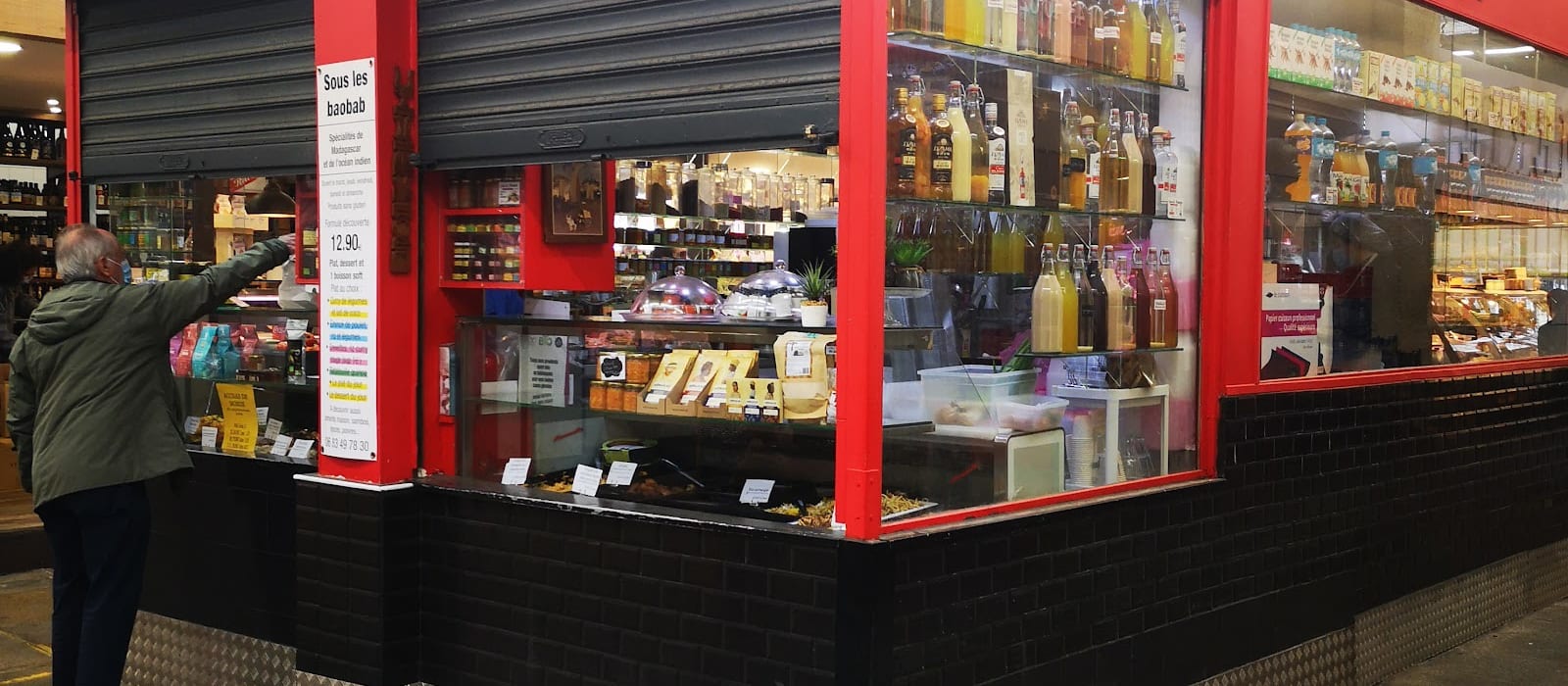
Le Marché Beauvau - Marché d'Aligre compte parmi les marchés les plus animés de l'est parisien. Il mêle halles couvertes, stands de rue et cafés autour de la place d'Aligre.
On y vient autant pour l'ambiance que pour les achats. Le contraste entre le marché couvert Beauvau et les étals extérieurs aide à lire le quartier. Vous voyez à la fois un marché de bouche parisien. Vous percevez aussi une vie locale très présente.
La visite s'intègre facilement dans une matinée. Comptez environ quarante-cinq minutes à une heure si vous flânez. Prévoyez davantage si vous faites une pause en terrasse. Le lieu convient bien à un séjour en famille. Le parcours est court et visuel.
Pour visiter avec méthode, commencez par les halles. Poursuivez ensuite vers la rue et la place. Vous éviterez ainsi les hésitations. Vous garderez aussi le meilleur de l'animation pour la fin. Le quartier se découvre bien à pied depuis Bastille ou Ledru-Rollin.
Le Conseil du Concierge
Allez-y plutôt le matin, quand les étals sont bien en place et la circulation reste simple. Commencez par le marché couvert Beauvau, puis sortez vers la rue d'Aligre et la place. Comptez environ une heure avec une pause café. Si vous aimez photographier les marchés, la lumière est souvent plus agréable en début de journée.
Demander au Concierge
Notre Concierge organise votre visite sur mesure : billets coupe-file, guide privé, horaires confidentiels.
Demander au ConciergeQuestions fréquentes
- Qu'est-ce que le Marché d'Aligre ?
- Le Marché d'Aligre désigne un ensemble vivant composé du marché couvert Beauvau, d'étals en plein air et de la place d'Aligre. Ce n'est pas un seul bâtiment. L'intérêt du lieu vient de cette combinaison. Elle réunit commerce alimentaire, vie de quartier et promenade courte dans le 12e arrondissement.
- Quels jours a lieu le Marché d'Aligre ?
- Les jours d'ouverture peuvent varier selon les espaces et la saison. Le plus prudent est de vérifier le jour même avant de vous déplacer. Pour un séjour court, prévoyez plutôt une visite en matinée. C'est souvent le moment où l'activité du marché est la plus lisible et la plus agréable.
- Combien de temps faut-il pour visiter le Marché Beauvau - Marché d'Aligre ?
- Comptez environ quarante-cinq minutes à une heure pour une visite simple. Ajoutez du temps si vous souhaitez faire des achats, prendre un café ou explorer les rues voisines. Le parcours reste compact. Cela en fait une étape facile à glisser dans une matinée à Bastille ou dans l'est parisien.
- Quel est le meilleur moment pour visiter le Marché d'Aligre ?
- Le matin est souvent le moment le plus simple pour profiter du marché. Les étals sont bien installés et l'ambiance est active sans être trop confuse. Si vous cherchez surtout des photos ou une visite plus fluide, venir tôt reste généralement plus confortable que la fin de matinée.
- Comment aller au Marché d'Aligre ?
- Le marché se trouve rue d'Aligre et place d'Aligre, dans le 12e arrondissement de Paris. Il se rejoint facilement à pied depuis Bastille. Les stations de métro du secteur, notamment vers Ledru-Rollin ou Bastille, offrent en général un accès pratique. Le choix dépend surtout de votre point de départ.
- Le Marché d'Aligre convient-il aux familles ?
- Oui, plutôt bien. La visite est courte, animée et facile à comprendre pour des enfants. Il y a beaucoup de choses à observer sans devoir suivre un parcours long. En revanche, les allées peuvent être plus serrées aux heures d'affluence. Cela demande un peu plus d'attention avec une poussette.
- Que sait-on de l'histoire du Marché d'Aligre ?
- Le lieu s'inscrit dans l'histoire commerçante de l'est parisien et garde une forte fonction de marché de quartier. Pour une visite, le plus utile est de retenir cette continuité entre halles, rue et place. C'est ce qui donne au site son identité. Elle reste plus locale que monumentale.
Hôtels à proximité
Notre sélection d'hôtels d'exception à quelques pas de ce lieu.