Nos critères pour classer les meilleurs hôtels d’Amsterdam
Pour classer les meilleurs hôtels d’Amsterdam, nous partons d’un principe simple. Dans cette ville, l’adresse compte autant que l’hôtel lui-même. Un canal majeur, une rue calme du centre historique, ou une implantation près des musées changent fortement l’expérience. Amsterdam se parcourt à pied, à vélo et en tram. Pourtant, quelques minutes de différence peuvent modifier le rythme d’un séjour. Nous regardons donc la qualité du quartier, mais aussi sa lisibilité pour un premier voyage. Le Jordaan, le Grachtengordel, Museumplein ou les abords de l’Amstel ne répondent pas aux mêmes attentes. À retenir, un très bon hôtel à Amsterdam n’est pas seulement central. Il doit être bien placé pour le style de séjour envisagé. Ce que nos conseillers observent, c’est la capacité d’une adresse à faire gagner du temps sans sacrifier le calme.
Le deuxième critère est la régularité du service. Dans une destination aussi demandée, l’excellence ne se mesure pas seulement au décor. Elle se voit dans l’accueil, la conciergerie, la fluidité du check-in et la constance des équipes. Nous valorisons les maisons capables de maintenir un niveau élevé toute l’année. C’est essentiel dans une ville où les week-ends, les foires et la haute saison créent une forte pression. Un grand hôtel doit rester précis quand la demande monte. Nous regardons aussi la capacité à personnaliser le séjour. Cela passe par des conseils de quartier pertinents, une gestion souple des arrivées, ou une vraie lecture des attentes du client. Mon conseil, à Amsterdam, est de privilégier les adresses qui savent conjuguer discrétion et efficacité. Le service doit accompagner la ville, pas la compliquer.
Nous accordons aussi une place importante à la personnalité hôtelière. Amsterdam récompense les hôtels qui assument un point de vue clair. Cela peut être un ancrage patrimonial fort, un travail architectural contemporain, ou un dialogue réussi entre maison historique et confort actuel. Cette ville supporte mal les produits interchangeables. Un hôtel convaincant ici doit avoir une identité lisible, sans tomber dans l’effet de décor. Nous évaluons donc la cohérence entre le bâtiment, les chambres, les espaces communs et l’atmosphère générale. Le cachet historique a du poids, bien sûr. Mais il ne suffit pas si l’insonorisation, la circulation, ou le confort des salles de bains ne suivent pas. À l’inverse, une adresse contemporaine peut très bien se classer si elle comprend l’esprit d’Amsterdam. Nous cherchons cet équilibre précis entre caractère local et usage réel.
Les distinctions reconnues entrent aussi dans notre méthode, mais elles ne remplacent jamais l’analyse éditoriale. Nous tenons compte des labels et sélections établis. Ils offrent un repère utile sur le niveau de service, la qualité de l’hébergement et la réputation internationale. Pour autant, une distinction ne dit pas tout. Elle ne mesure pas toujours la pertinence d’un emplacement, ni l’adéquation à un court séjour culturel, à une escapade romantique, ou à un voyage d’affaires. C’est pourquoi nous croisons ces repères avec une lecture concrète de l’expérience sur place. Nous regardons aussi la capacité d’un hôtel à rester actuel. Une adresse historique doit continuer à bien fonctionner aujourd’hui. Une adresse récente doit déjà montrer une vraie maturité d’exploitation. Dans les deux cas, la constance compte davantage que l’effet d’annonce.
Enfin, nous classons les hôtels d’Amsterdam selon leur pertinence pour différents usages. Un couple ne choisira pas la même adresse qu’un amateur de musées, qu’un habitué de la ville, ou qu’un voyageur qui veut tout faire à pied. Certains hôtels brillent par leur vue ou leur atmosphère. D’autres se distinguent par leur praticité, leur calme, ou leur accès immédiat aux grands repères urbains. Notre méthode cherche donc moins un vainqueur absolu qu’une hiérarchie utile. À retenir, Amsterdam demande une lecture fine des quartiers, des canaux et des distances réelles. Le bon hôtel est celui qui traduit la ville sans la caricaturer. C’est cette combinaison, entre emplacement, service, personnalité, reconnaissance et usage, qui guide notre classement.
Tendances 2025-2026 de l’hôtellerie à Amsterdam
À Amsterdam, le cycle actuel favorise les hôtels capables d’incarner la ville, pas seulement de l’observer. Nos conseillers voient revenir au premier plan les adresses patrimoniales. Elles rassurent une clientèle internationale devenue plus attentive au contexte. Le Conservatorium Hotel reste central dans cette lecture. Il occupe un ancien conservatoire de musique, au cœur du Museumplein. L’Anantara Grand Hotel Krasnapolsky Amsterdam joue une autre partition. Son ancrage sur la place du Dam compte autant que sa notoriété historique. Le De L’Europe Amsterdam conserve aussi cette force. Son adresse sur l’Amstel répond à une demande claire. Les voyageurs veulent un hôtel qui raconte Amsterdam dès l’arrivée. Même logique pour Pulitzer Amsterdam. Son ensemble de maisons de canal donne une expérience immédiatement locale. À retenir, le patrimoine ne suffit plus seul. Il doit être lisible, bien restauré et accompagné d’un service actuel.
L’autre tendance forte concerne le bien-être urbain. Elle dépasse désormais le simple argument du spa en sous-sol. Les clients demandent des hôtels complets, capables d’offrir une vraie respiration après la ville. Sur ce point, le Conservatorium Hotel garde une longueur d’avance grâce à son grand espace bien-être. Le De L’Europe Amsterdam répond aussi à cette attente. Son positionnement haut de gamme s’accorde avec des séjours plus équilibrés. Le Waldorf Astoria Amsterdam bénéficie, lui, d’un avantage rare. Ses jardins privés sur les canaux créent une sensation de retrait en plein centre. Ce que nos conseillers observent est simple. Le voyageur urbain veut alterner rythme culturel et temps de récupération. Il ne cherche plus seulement une belle chambre. Il veut un hôtel qui structure le séjour. C’est aussi ce qui explique l’intérêt pour des maisons comme Hotel Okura Amsterdam. Son offre globale parle aux clients qui restent plusieurs nuits.
La gastronomie pèse davantage dans la décision finale. À Amsterdam, plusieurs hôtels sont désormais choisis aussi pour leur table. Hotel Okura Amsterdam s’impose naturellement dans cette conversation. Sa réputation gastronomique est un fait connu, et elle attire une clientèle dédiée. Le De L’Europe Amsterdam profite aussi de cette montée des tables signatures. L’Anantara Grand Hotel Krasnapolsky Amsterdam bénéficie, de son côté, d’une adresse très visible pour les rendez-vous. Même les voyageurs qui sortent beaucoup en ville veulent une option forte sur place. C’est une évolution importante. L’hôtel n’est plus seulement une base. Il devient un lieu de réservation à part entière, pour dîner, recevoir ou prolonger la soirée. Mon conseil est donc de regarder l’offre restauration avant de trancher. À Amsterdam, elle change réellement la qualité du séjour, surtout sur un court format.
Enfin, la personnalisation devient plus concrète. Elle ne se résume plus à un accueil attentionné ou à une préférence notée au dossier. Les clients arbitrent entre atmosphère, taille de maison et style de service. Pulitzer Amsterdam séduit ceux qui veulent une expérience de canal plus narrative. The Dylan Amsterdam attire une clientèle sensible aux hôtels de caractère et à l’échelle plus intime. Soho House Amsterdam répond à une autre attente. Son univers social et créatif parle à des voyageurs qui veulent un séjour plus communautaire. The Hoxton, Amsterdam continue aussi d’attirer pour son énergie et sa lecture plus décontractée de la ville. Dans le segment design, W Amsterdam et Andaz Amsterdam Prinsengracht restent des repères utiles. Ce que nous retenons pour 2025-2026 est net. Les meilleures performances viennent des hôtels qui combinent emplacement, identité, restauration et bien-être. À Amsterdam, la demande se déplace vers des maisons capables d’orchestrer tout le séjour. Pas seulement de bien loger leurs hôtes.
Canaux, maisons historiques et grandes signatures
Amsterdam se lit d’abord depuis l’eau. Ses meilleurs hôtels aussi. Dans le centre historique, beaucoup d’adresses occupent d’anciennes maisons sur canal. Leur façade étroite, leur profondeur et leurs escaliers abrupts imposent un rythme particulier au séjour. On ne vit pas la ville de la même manière dans une demeure marchande du XVIIe siècle que dans un grand hôtel contemporain. C’est un point que nos conseillers regardent toujours avant de recommander une chambre. La vue, la lumière et la circulation intérieure changent réellement l’expérience. À Amsterdam, le bâtiment n’est jamais un simple décor. Il détermine souvent le silence, la sensation d’espace et le rapport à la rue.
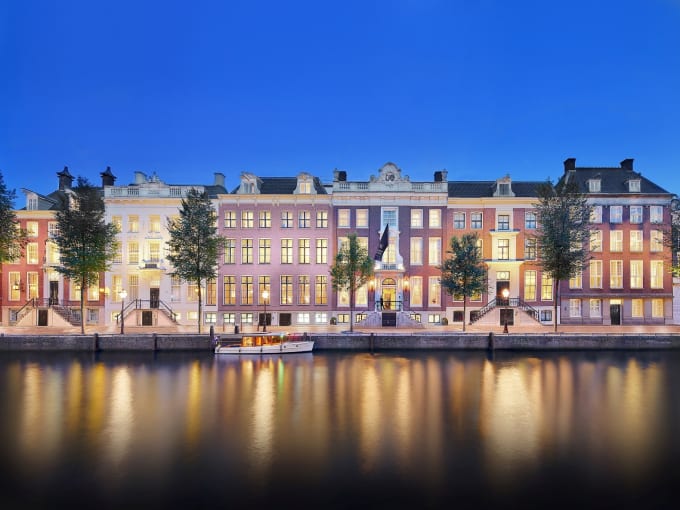
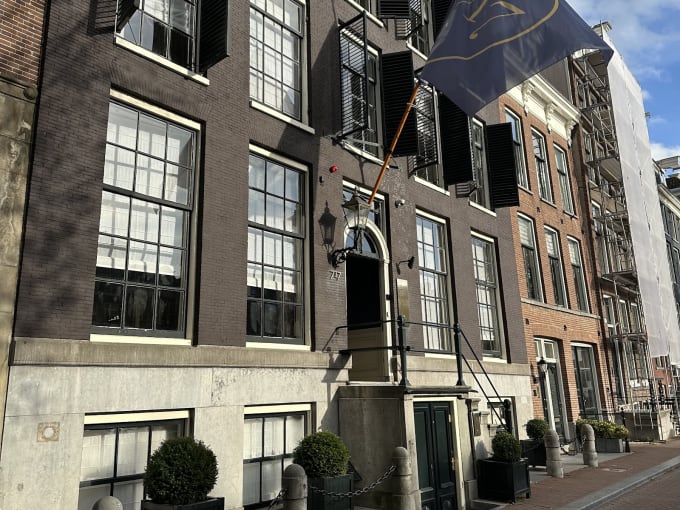
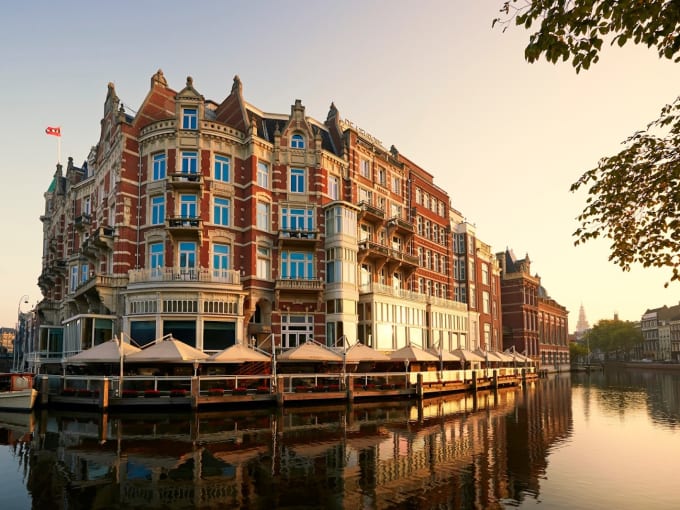
C’est particulièrement vrai pour les adresses installées dans des ensembles historiques. Pulitzer Amsterdam en donne une lecture très locale. L’hôtel réunit des maisons de canal, avec une implantation qui raconte la ville mieux qu’un discours. The Dylan Amsterdam joue aussi cette carte patrimoniale, dans une adresse discrète, ancrée dans le tissu ancien. Ambassade Hotel s’inscrit dans cette même logique de séjour au bord des canaux, avec un rapport immédiat au centre historique. Plus au sud, De L’Europe Amsterdam rappelle une autre tradition. Celle du grand hôtel classique, posé sur l’Amstel, avec une présence urbaine forte. Ce que nos conseillers observent souvent, c’est que ces hôtels ne séduisent pas seulement par leur service. Ils offrent une manière très précise d’habiter Amsterdam, entre perspective sur l’eau, voisinage des ponts et proximité des quartiers muséaux.
La ville excelle aussi dans la reconversion d’édifices emblématiques. C’est là qu’Amsterdam devient particulièrement intéressante pour un voyageur sensible à l’architecture. Conservatorium Hotel, dans le quartier des musées, occupe un ancien bâtiment institutionnel. Cette origine donne des volumes rares dans la ville. Le sentiment d’espace y diffère nettement de celui des maisons sur canal. Sofitel Legend The Grand Amsterdam raconte encore une autre histoire. Son implantation dans un bâtiment historique lui donne une gravité et une profondeur que l’on ressent dès l’arrivée. Anantara Grand Hotel Krasnapolsky Amsterdam appartient aussi à cette famille d’adresses liées à la mémoire urbaine. Son ancrage sur la place du Dam le relie à l’Amsterdam civique et monumentale. Mon conseil est simple. Avant de comparer les catégories de chambre, regardez toujours l’histoire du bâtiment. À Amsterdam, elle explique souvent l’atmosphère mieux que les photos.
À côté de ce patrimoine, les grandes signatures internationales occupent une place claire. Elles ne gomment pas l’identité locale. Elles la traduisent avec leurs propres codes. Waldorf Astoria Amsterdam en est un bon exemple. La marque apporte ses standards, mais l’adresse reste profondément liée aux canaux. Rosewood Amsterdam participe à cette lecture d’un luxe international installé dans un cadre amstellodamois fort. InterContinental Amstel Amsterdam, avec sa position sur l’Amstel, relève d’une tradition plus monumentale. Hotel Okura Amsterdam introduit une autre géographie. Celle d’un grand hôtel international moins centré sur le décor patrimonial, mais très lisible pour une clientèle qui cherche des repères de marque. C’est aussi ce qui fait la richesse du marché local. Amsterdam ne se limite pas aux cartes postales. La ville propose plusieurs manières d’entrer dans son histoire.
À retenir, ce classement ne doit pas seulement opposer charme historique et confort contemporain. Les meilleurs hôtels d’Amsterdam réussissent surtout à faire dialoguer les deux. Certains privilégient l’intimité d’une maison ancienne. D’autres assument l’échelle d’un grand établissement. D’autres encore tirent leur force d’une reconversion intelligente. Pour bien choisir, il faut donc partir du bâtiment avant même de partir de la chambre. Si vous aimez sentir la ville dans ses murs, visez les maisons sur canal. Si vous préférez des volumes plus amples, regardez les anciennes institutions reconverties. Et si votre priorité reste la régularité d’une grande marque, Amsterdam offre aussi des signatures très solides, sans perdre son contexte.
Questions sur cette section
Pour un séjour sur les canaux, faut-il privilégier une adresse historique ou un hôtel plus contemporain à Amsterdam ?
Tout dépend de l'expérience recherchée. Une adresse historique sur canal apporte souvent plus de caractère, un rapport fort à la ville, et une sensation d'ancrage immédiat. Un hôtel plus contemporain peut offrir des chambres plus rationnelles, un spa mieux dimensionné, ou une circulation plus fluide. Mon conseil : si le voyage est centré sur l'atmosphère d'Amsterdam, le patrimoine compte beaucoup. Si le confort technique prime, le contemporain peut mieux répondre.
Les hôtels d’Amsterdam où la gastronomie compte vraiment
À Amsterdam, la table peut faire basculer une réservation. C’est particulièrement vrai dans les maisons où le restaurant attire aussi une clientèle locale. Nos conseillers regardent alors un point simple. Le dîner doit compter autant que la chambre. Dans cette lecture, plusieurs adresses se distinguent nettement. Conservatorium Hotel, De L’Europe Amsterdam, Hotel Okura Amsterdam, InterContinental Amstel Amsterdam, Sofitel Legend The Grand Amsterdam et Waldorf Astoria Amsterdam présentent une offre culinaire structurée. Chacune propose plus qu’un simple service de restauration. On y trouve une identité, un rythme, et souvent un bar qui prolonge la soirée.
Le cas le plus évident reste Hotel Okura Amsterdam. L’adresse est connue pour la densité de son offre gastronomique. C’est un argument de séjour à part entière. Pour un voyageur qui veut dîner sérieusement sans quitter son hôtel, peu d’options sont aussi lisibles. De L’Europe Amsterdam entre aussi dans cette catégorie. Son positionnement sur l’Amstel, son statut d’icône locale et la cohérence de ses espaces de restauration en font une maison choisie autant pour recevoir que pour dormir. Ce que nos conseillers observent souvent ici, c’est la facilité du séjour. Petit déjeuner, déjeuner léger, dîner plus construit et dernier verre trouvent leur place sans impression de compromis. À retenir aussi, InterContinental Amstel Amsterdam. Son adresse historique sur la rivière donne un cadre qui renforce l’expérience de table. Quand le décor, le service et la localisation travaillent ensemble, le restaurant pèse davantage dans la décision finale.
Dans un registre plus contemporain, Conservatorium Hotel impose une lecture différente mais convaincante. Situé dans le quartier des musées, l’hôtel attire une clientèle sensible au design, mais aussi aux lieux de vie bien pensés. La gastronomie y compte parce qu’elle s’inscrit dans un ensemble cohérent. Le voyageur n’y cherche pas seulement une belle salle. Il cherche un hôtel où l’on peut commencer la journée, s’attarder l’après-midi, puis dîner sur place sans rupture de ton. C’est souvent le signe d’une adresse mature. Waldorf Astoria Amsterdam joue une autre partition. L’alignement de maisons de canal, l’adresse sur l’Herengracht et le niveau de service créent un cadre propice à une restauration de destination. Ici, la table s’inscrit dans une expérience plus large. Elle prolonge l’idée d’un séjour très posé, très urbain, et très maîtrisé.
Sofitel Legend The Grand Amsterdam mérite aussi sa place dans cette sélection. Son implantation centrale, dans un bâtiment chargé d’histoire, favorise les séjours où l’on alterne ville et temps à l’hôtel. C’est précisément dans ce type d’adresse que la restauration devient décisive. Après une journée dense dans le centre, pouvoir dîner sur place dans un cadre qui a du caractère change l’équation. Mon conseil, si la gastronomie est un critère fort, consiste à départager ces hôtels selon votre manière de vivre Amsterdam. Hotel Okura Amsterdam convient aux voyageurs qui veulent une offre culinaire immédiatement identifiable. De L’Europe Amsterdam parle à ceux qui aiment les grandes adresses animées du matin au soir. Conservatorium Hotel séduira davantage les amateurs de design et de scène locale. Waldorf Astoria Amsterdam et InterContinental Amstel Amsterdam répondent mieux à une recherche de classicisme hôtelier. Enfin, Sofitel Legend The Grand Amsterdam offre un équilibre très solide entre centralité, histoire et vie de table. Dans tous les cas, ces maisons ont un point commun. On peut y réserver une chambre en pensant déjà au dîner.
Où réserver pour un city break avec spa à Amsterdam
À Amsterdam, le spa n’est pas un simple agrément. Il peut décider du rythme entier d’un séjour. La ville se parcourt beaucoup à pied, à vélo, en bateau, puis se vit souvent dans une densité continue. Entre musées, canaux et restaurants, les journées se remplissent vite. C’est là qu’un hôtel avec vrai espace bien-être prend tout son sens. Nos conseillers le constatent souvent. Une piscine, un hammam ou une cabine de soins changent l’équilibre d’un week-end urbain. On ne cherche pas seulement à dormir au centre. On cherche aussi un refuge calme, capable de remettre du silence dans le programme. À retenir donc. À Amsterdam, les meilleures adresses avec spa ne sont pas nombreuses. Celles qui comptent vraiment se distinguent par la qualité des installations, mais aussi par leur capacité à créer une coupure nette avec la ville.
Parmi les signatures les plus convaincantes, Conservatorium Hotel reste une référence évidente pour ce type de séjour. Son Akasha Holistic Wellbeing Centre donne une vraie profondeur bien-être à l’expérience. On parle ici d’un spa complet, pensé comme une destination en soi. Piscine intérieure, espaces humides, soins et approche plus globale du mieux-être structurent le lieu. Son emplacement, dans le quartier des musées, ajoute un avantage pratique. On peut enchaîner Rijksmuseum, Concertgebouw ou shopping haut de gamme, puis revenir dans un environnement beaucoup plus apaisé. C’est précisément ce contraste qui fonctionne. De son côté, Waldorf Astoria Amsterdam joue une partition différente, plus feutrée. Installé dans les maisons de canal classées au patrimoine, l’hôtel cultive une atmosphère très protégée. Le Guerlain Spa y apporte une dimension de retrait rare en centre-ville. Le jardin privé renforce encore cette impression de bulle. Mon conseil. Pour un séjour court, ce type d’adresse convient particulièrement aux voyageurs qui veulent limiter les déplacements inutiles. Quand l’hôtel offre déjà un vrai temps de récupération, on profite mieux du reste.
D’autres hôtels haut de gamme ajoutent aussi cette respiration essentielle. De L’Europe Amsterdam séduit par son ancrage historique et sa position centrale, mais aussi par son espace bien-être avec piscine intérieure. C’est un argument concret pour ceux qui veulent rester au cœur de la ville sans renoncer à une parenthèse de détente. InterContinental Amstel Amsterdam, grande adresse classique sur l’Amstel, mérite aussi l’attention. Son spa et sa piscine intérieure répondent bien à une clientèle qui privilégie le confort traditionnel et les volumes généreux. Ce que nos conseillers observent, c’est que ces hôtels fonctionnent particulièrement bien hors été. En automne, en hiver ou au début du printemps, la présence d’un spa pèse davantage dans la décision finale. Après une journée froide, humide ou très active, le retour à l’hôtel devient une vraie seconde séquence du voyage. Le bien-être n’est plus accessoire. Il devient une partie du programme.
Il faut aussi distinguer les hôtels qui disposent d’un simple espace fitness de ceux qui offrent une expérience bien-être complète. À Amsterdam, cette nuance compte. Un bassin, quelques cabines et un sauna ne produisent pas toujours le même effet qu’un spa réellement structuré. Pour un city break, la différence se mesure vite. Les meilleures adresses savent organiser la transition entre l’énergie extérieure et le repos intérieur. Elles offrent de l’espace, de la lumière maîtrisée, une acoustique calme et des soins cohérents avec le niveau général de l’hôtel. C’est souvent ce qui justifie l’écart de prix. Si votre priorité est un week-end romantique, un anniversaire ou un séjour où l’on veut ralentir sans quitter la ville, mieux vaut réserver l’une de ces maisons plutôt qu’une adresse seulement bien située. Amsterdam attire fort, toute l’année. Choisir un hôtel avec vrai spa, c’est se donner une ville plus douce, plus respirable et souvent plus mémorable.
Questions sur cette section
Amsterdam est-elle une bonne destination pour un hôtel avec spa et piscine en city break ?
Oui, à condition de bien cibler l'adresse. Amsterdam n'est pas uniquement une destination patrimoniale. Certaines belles maisons intègrent un vrai volet bien-être, utile après une journée de marche, de musées, ou de rendez-vous. Cela dit, tous les spas urbains ne se valent pas. Nous regardons la taille des installations, la cohérence de l'offre, et l'intérêt réel de la piscine. À retenir : pour un week-end, un bon spa peut changer l'équilibre du séjour.
Quelle adresse selon votre style de voyage
À Amsterdam, le bon hôtel dépend d’abord du rythme du séjour. Un premier voyage appelle souvent une adresse centrale, lisible et simple à vivre. Dans ce registre, Waldorf Astoria Amsterdam, De L’Europe Amsterdam et Sofitel Legend The Grand Amsterdam offrent un ancrage évident. Ces trois maisons permettent de rejoindre facilement les canaux majeurs, le centre ancien et plusieurs musées. Elles conviennent aussi aux voyageurs qui veulent un service très structuré. Ce que nos conseillers observent souvent. Ces adresses rassurent les clients qui découvrent la ville pour la première fois. Elles combinent repères patrimoniaux, conciergerie rodée et arrivée sans friction. Mon conseil. Si vous voulez tout faire à pied, regardez d’abord la micro-localisation, pas seulement le prestige de la marque.
Pour un séjour en couple, l’atmosphère compte plus que la seule catégorie. Pulitzer Amsterdam séduit par son implantation dans les maisons de canal. L’expérience y est plus narrative et plus intime. The Dylan Amsterdam parle aussi aux voyageurs qui cherchent une adresse discrète, avec une échelle plus résidentielle. Conservatorium Hotel convient aux couples qui aiment les hôtels vivants, proches du Museumplein, avec un vrai poids donné au bien-être. InterContinental Amstel Amsterdam, de son côté, joue davantage la carte des vues et de la solennité. À retenir. Le romantisme à Amsterdam ne prend pas une seule forme. Certains préféreront les volumes historiques au bord de l’eau. D’autres choisiront une adresse plus feutrée, mieux adaptée à un week-end à deux.
Les amateurs de design et d’hôtellerie contemporaine ne cherchent pas toujours la même chose que les fidèles des grandes maisons classiques. Conservatorium Hotel s’impose naturellement pour son dialogue entre patrimoine et lignes contemporaines. W Amsterdam attire un public sensible à une énergie plus urbaine, plus sociale, plus visible. Sir Albert Hotel peut parler à ceux qui veulent une base plus lifestyle, dans un quartier apprécié pour ses cafés et ses adresses créatives. Hotel TwentySeven s’adresse souvent aux voyageurs qui veulent peu de chambres et une expérience très personnalisée. À l’inverse, les habitués des signatures historiques regarderont plutôt Waldorf Astoria Amsterdam, De L’Europe Amsterdam ou InterContinental Amstel Amsterdam. Leur valeur réelle tient à la continuité du service, à la réputation internationale et à une lecture plus classique du grand hôtel.
Pour un voyage d’affaires, il faut arbitrer entre centralité, efficacité et capacité à ménager des temps calmes. Sofitel Legend The Grand Amsterdam fonctionne bien pour cela. Son positionnement central facilite les rendez-vous. De L’Europe Amsterdam offre aussi une bonne combinaison entre image, accessibilité et services attendus par une clientèle internationale. Conservatorium Hotel peut être pertinent pour les séjours mêlant réunions et temps personnel, notamment grâce à son environnement dans le quartier des musées. Kimpton De Witt Amsterdam intéresse souvent les voyageurs qui arrivent en train, grâce à sa situation pratique. Ce que nos conseillers retiennent. À Amsterdam, la meilleure adresse business n’est pas toujours la plus formelle. Tout dépend de la part de loisirs intégrée au déplacement.
Enfin, certaines maisons ont une valeur très claire selon le profil du voyageur. Pulitzer Amsterdam pour une première immersion dans l’esthétique des canaux. The Dylan Amsterdam pour une parenthèse plus discrète. Waldorf Astoria Amsterdam pour les clients attachés aux codes du palace international. Conservatorium Hotel pour un séjour où design, spa et vie culturelle comptent autant que la chambre. De L’Europe Amsterdam pour ceux qui veulent une grande adresse historique, très lisible, sans renoncer à la vie du centre. W Amsterdam pour un week-end plus social. InterContinental Amstel Amsterdam pour une relation privilégiée à l’eau et aux perspectives. Mon conseil final. Avant de comparer les tarifs, définissez le ton du séjour. À Amsterdam, c’est ce choix qui crée la vraie valeur.
Questions sur cette section
Quel type d'hôtel d'Amsterdam choisir selon son profil de voyageur ?
La réponse courte : il faut partir de l'usage, pas seulement du standing. Pour un premier séjour, une grande adresse centrale facilite les repères. Pour une escapade plus intime, un boutique hotel bien placé peut mieux convenir. Pour un voyage bien-être, le spa devient déterminant. Pour un séjour en famille, la taille des chambres compte davantage que le style. Ce que nos conseillers observent : le bon hôtel est celui qui épouse votre rythme réel de voyage.
Notre synthèse pour bien choisir son hôtel à Amsterdam
Au moment de trancher, Amsterdam se lit mieux par quartiers que par catégories. C’est le premier filtre que nous retenons. Un hôtel sur les canaux centraux ne raconte pas la même ville qu’une adresse du Museumplein, qu’un refuge d’Amsterdam-Noord, ou qu’une grande maison près de l’Amstel. Ce que nos conseillers observent, c’est qu’un bon choix commence rarement par la taille du spa. Il commence par le rythme de séjour recherché. Marcher partout, dîner à pied, rejoindre les musées en quelques minutes, ou privilégier une arrivée plus calme. Dans cette ville compacte, quelques rues changent beaucoup l’expérience. C’est pourquoi la localisation pèse souvent davantage que la notoriété d’une enseigne, ou la longueur de la liste des équipements.
Le deuxième arbitrage concerne l’atmosphère. Amsterdam excelle dans les contrastes. D’un côté, les hôtels iconiques, souvent installés dans des bâtiments historiques, donnent accès à une lecture immédiate de la ville. Ils conviennent bien aux premiers séjours, aux voyages célébration, et à ceux qui veulent une adresse repère. De l’autre, les refuges plus intimes séduisent par une échelle plus humaine, un service plus feutré, et une relation plus directe au quartier. Ils parlent souvent mieux aux habitués, ou à ceux qui veulent sentir la ville sans décorum excessif. Entre les deux, il existe des maisons très complètes. Elles combinent emplacement fort, restauration sérieuse, espaces bien-être, et standards de service réguliers. À retenir, aucune de ces familles n’est supérieure par principe. Elles répondent simplement à des attentes différentes.
Le troisième critère, plus discret, est la cohérence. Un hôtel peut avoir une belle adresse, mais ne pas convenir à votre façon de voyager. À l’inverse, une maison moins spectaculaire sur le papier peut s’avérer plus juste, si son ambiance, son format et son quartier correspondent à votre programme. Nous recommandons donc de penser le séjour dans l’ordre suivant. D’abord, le secteur. Ensuite, le ton de l’hôtel. Enfin, les attributs complémentaires, comme le spa, la vue, la scène gastronomique, ou le prestige de la marque. Cette hiérarchie évite beaucoup de déceptions. Elle aide aussi à départager des établissements excellents, mais conçus pour des usages distincts. Un week-end culturel, un voyage d’affaires prolongé, ou une parenthèse à deux n’appellent pas la même adresse.
Notre synthèse est donc simple. Si vous cherchez une expérience emblématique, privilégiez une maison qui assume son ancrage historique et sa position stratégique. Si vous préférez la discrétion, regardez les hôtels plus intimes, où le service et la personnalité priment sur l’apparat. Si vous voulez tout réunir, ciblez les adresses les plus complètes, capables d’équilibrer confort, restauration et logistique urbaine. Mon conseil reste le même pour Amsterdam. Priorisez le quartier, puis l’atmosphère, avant même les équipements ou la réputation. Le bon hôtel n’est pas seulement celui qui coche le plus de cases. C’est celui qui vous donne la bonne version de la ville, au bon moment de votre voyage.