Nos critères pour classer les hôtels romantiques du 16e
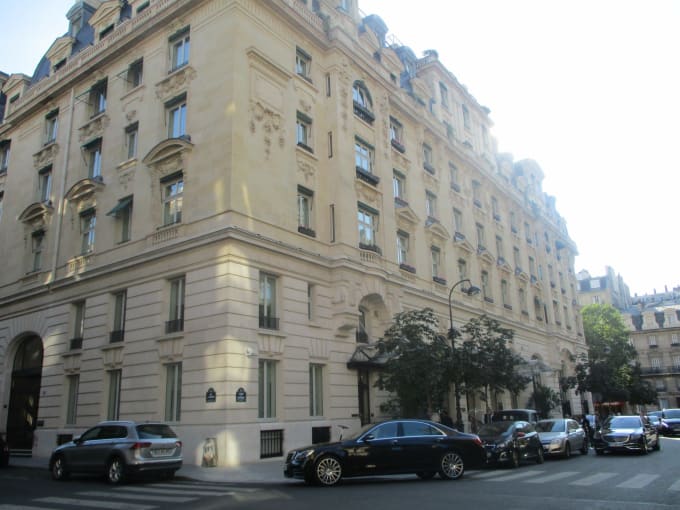
Notre méthode privilégie d’abord l’adresse. Dans le 16e, elle change réellement l’expérience à deux. Nous valorisons les secteurs résidentiels, les abords du Trocadéro, Passy, La Muette et l’axe Iéna. Ces micro-localisations offrent un Paris plus posé. Elles permettent de rentrer tard sans retrouver l’agitation des grands quartiers festifs. À retenir aussi, la proximité des jardins, des larges avenues et des vues ouvertes. Dans un séjour romantique, cette respiration compte autant que la décoration. Nous regardons donc la qualité du voisinage immédiat. Nous considérons aussi la facilité des trajets vers les dîners, les musées et les promenades. Un hôtel bien placé dans le 16e doit simplifier la soirée. Il doit aussi préserver une impression de retrait.
Le deuxième critère est le calme. C’est souvent le vrai luxe d’un séjour à deux à Paris. Dans le 16e, il se mesure concrètement. Nous observons la densité du trafic, la largeur de rue, l’exposition des chambres et la présence d’espaces extérieurs. Une terrasse, un jardin ou une cour intérieure améliorent nettement l’intimité. Nous tenons aussi compte de la taille de l’hôtel. Une grande adresse peut rester feutrée si les circulations sont bien pensées. Un boutique-hôtel peut être très romantique si les chambres sont protégées des nuisances. Ce que nos conseillers observent, c’est la capacité d’un lieu à créer une bulle. Cela passe par l’insonorisation, mais pas seulement. L’accueil, la discrétion du service et le rythme général de la maison entrent aussi dans l’évaluation. Un hôtel romantique n’est pas seulement beau. Il doit laisser de l’espace au couple.
Nous accordons ensuite un poids important aux chambres et aux vues. La romance se joue souvent dans les détails d’usage. Nous regardons la générosité des volumes, la qualité de la literie, la présence d’une baignoire, d’un balcon ou d’une terrasse. Nous valorisons les suites pensées pour le séjour, pas seulement pour la photo. Une vue Tour Eiffel, un panorama sur les toits ou une perspective dégagée renforcent naturellement l’expérience. Mais nous ne surclassons pas une adresse sur ce seul point. Une chambre très bien conçue, calme et intime peut l’emporter sur une vue plus spectaculaire. Nous examinons aussi la cohérence entre le style de l’hôtel et l’attente d’un voyage à deux. Certains couples cherchent un classicisme parisien. D’autres préfèrent une esthétique plus contemporaine. Notre classement retient les hôtels qui transforment cette promesse en confort réel.
Le service, le spa et la restauration complètent la note finale. Le service compte beaucoup dans un séjour romantique. Il doit être précis, discret et capable d’orchestrer une attention sans lourdeur. Nous valorisons les équipes qui facilitent un early check-in, un départ tardif, une surprise en chambre ou une réservation de dernière minute. Côté bien-être, nous regardons la présence d’un spa, d’une piscine, d’un hammam ou de cabines de soin adaptées aux séjours à deux. Nous ne considérons pas le spa comme obligatoire. Dans le 16e, un hôtel peut être très romantique sans grand espace wellness. En revanche, lorsqu’il existe, il doit être bien intégré au rythme du séjour. Même logique pour la restauration. Un grand restaurant n’est pas indispensable. Un bon bar, un room service fiable et un petit déjeuner soigné peuvent peser davantage. Mon conseil, enfin, est simple. Le 16e convient particulièrement aux couples qui veulent Paris sans sa saturation. On y trouve une élégance résidentielle, des retours de soirée plus paisibles et une vraie sensation de distance. Cette combinaison explique le poids que nous donnons à l’adresse, au calme et à l’intimité.
Ce qui rend un hôtel vraiment romantique dans le 16e
Dans le 16e, le romantisme ne tient pas d'abord au décor. Il repose sur une sensation rare à Paris. Celle d'être à la fois dans la ville et légèrement en retrait. C'est un arrondissement qui favorise les arrivées sans agitation. Les avenues sont larges. Les abords du Trocadéro, de Passy ou de l'avenue Kléber offrent une respiration différente. Pour un séjour à deux, cela change tout. On dort mieux. On circule plus simplement. On peut rentrer tard sans retrouver la tension des quartiers plus denses. Ce que nos conseillers observent souvent, c'est que les couples cherchent moins l'effet spectaculaire que la fluidité. Une belle adresse romantique dans le 16e doit donc combiner calme, accès rapide aux beaux points de Paris et vraie intimité dans les étages.
Spa, piscine, soins : le bien-être pensé pour deux
Dans le 16e, le bien-être change la lecture d’un séjour à deux. Le quartier invite aux longues marches. On passe vite du Trocadéro à Passy, puis aux musées et à la Seine. Dans ce rythme, un spa n’est pas un simple agrément. Il devient un second temps du voyage. C’est souvent là que la journée se pose. Un hammam, une piscine, un soin en cabine prolongent le plaisir du lieu. Ils évitent aussi de devoir ressortir. Pour un couple, ce détail compte beaucoup. Il permet de garder une bulle continue, sans rupture logistique. À retenir, les hôtels du 16e n’offrent pas tous le même niveau d’équipements. C’est donc un vrai critère de tri dans un classement romantique.
Ce que nos conseillers observent, c’est l’effet concret d’une piscine ou d’un espace humide après Paris. Après les files d’exposition, les trottoirs animés et les rendez-vous en ville, le corps réclame autre chose. Une eau tempérée, un sauna ou un hammam rééquilibrent la journée. Le bénéfice n’est pas seulement physique. Il est aussi narratif. Le séjour gagne un rythme plus lent. On ne revient plus seulement dormir. On revient habiter l’hôtel. Pour un duo, cette nuance est décisive. Elle crée du temps partagé, sans programme imposé. Les meilleures configurations sont souvent simples. Une piscine accessible en fin d’après-midi, des soins en duo, ou une cabine où réserver sans complication. Un spa très complet n’est pas toujours nécessaire. En revanche, une offre lisible, bien pensée et facile à intégrer au séjour fait la différence.
Dans un hôtel romantique, le spa agit aussi sur la perception de la chambre. Une belle suite sans relais bien-être peut sembler plus courte en usage. À l’inverse, une chambre élégante prolongée par un parcours spa paraît immédiatement plus habitable. C’est particulièrement vrai dans le 16e, où l’on cherche souvent le calme. Le quartier s’y prête naturellement. Le bien-être vient alors renforcer cette promesse. Il ajoute une forme de retrait, presque domestique, mais avec le service hôtelier. Mon conseil, regarder moins la taille annoncée du spa que sa cohérence. Une petite piscine bien intégrée vaut mieux qu’un espace ambitieux, mais impersonnel. Même logique pour les soins. Une carte resserrée, avec massages signatures et créneaux souples, sert mieux un week-end à deux. Le romantisme tient souvent à la fluidité. Pouvoir descendre en peignoir, remonter sans attente, puis dîner tard, change réellement l’expérience.
Il faut aussi considérer l’après-spa. C’est là que certains hôtels prennent l’avantage. Un bon espace bien-être ne fonctionne pas seul. Il dialogue avec le reste. La qualité de la literie compte davantage après un soin. Le room service devient plus tentant. Le bar de l’hôtel peut prolonger la soirée sans casser l’atmosphère. Dans le 16e, cette continuité est précieuse. Le quartier offre une version plus feutrée de Paris. Les hôtels qui l’ont compris proposent un séjour moins démonstratif, mais plus durable en mémoire. Pour un couple, la valeur d’un spa tient donc à plusieurs choses. Il soulage la fatigue urbaine. Il crée un temps à deux. Il donne envie de rester sur place. Et il transforme l’hôtel en destination du soir, pas seulement en adresse de nuit. C’est exactement ce que l’on attend d’une parenthèse romantique réussie dans cet arrondissement.
Tables, bars et rythme du soir dans un Paris plus discret
Dans le 16e, la soirée romantique ne se joue pas seulement dans la chambre. Elle commence souvent à table. Elle se prolonge au bar. Elle se termine parfois en room service, quand l'hôtel sait garder le même niveau d'attention après 22 heures. Pour ce classement, nous regardons donc la restauration comme un critère central. Un hôtel peut offrir une belle adresse et une suite bien pensée. S'il ne sait pas organiser un dîner à deux, l'expérience reste incomplète. À l'inverse, une table juste, un service précis et un bar calme peuvent donner du relief à un séjour court. C'est particulièrement vrai dans le 16e. Le quartier permet de sortir sans subir l'agitation de certains secteurs plus nocturnes de Paris. On peut dîner tard, marcher un peu, puis retrouver un environnement plus retenu. À retenir, cette continuité entre dehors et dedans compte beaucoup pour les couples.
Ce que nos conseillers observent d'abord, c'est la cohérence entre la promesse romantique et le rythme réel du soir. Dans un hôtel du 16e, un bon restaurant n'a pas besoin d'être démonstratif. Il doit permettre la conversation. Il doit ménager l'espace entre les tables. Il doit aussi tenir la cadence sur les détails. Température des plats, lecture de la carte des vins, souplesse sur les horaires, capacité à adapter un dîner léger ou plus cérémoniel. Les meilleures adresses savent aussi proposer plusieurs scénarios. Un vrai dîner au restaurant de l'hôtel. Un verre avant ou après, dans un bar feutré. Un dernier plat servi en chambre, sans impression de solution par défaut. Le room service devient alors un marqueur de qualité. Pour un couple, il répond à des usages très concrets. Arrivée tardive après un spectacle. Envie de préserver l'intimité. Petit souper sur une terrasse, quand la chambre en dispose. Petit déjeuner prolongé le lendemain, sans précipitation.
Dans ce type de séjour, le service fait souvent la différence plus encore que la signature culinaire. Un dîner romantique raté l'est rarement à cause de la carte seule. Il l'est par manque de rythme, par une salle trop sonore, ou par un service qui traite tous les couverts de la même manière. Les hôtels les plus convaincants savent doser la présence. Ils repèrent un anniversaire sans surjouer l'attention. Ils installent un couple à une table plus tranquille quand la configuration le permet. Ils peuvent coordonner fleurs, champagne, ou retour en chambre avec une vraie fluidité. Mon conseil, pour une escapade à deux dans le 16e, est de privilégier les maisons où restauration et hébergement relèvent d'une même exigence. Cette continuité se sent immédiatement. Elle évite la rupture entre un bel hôtel et une expérience de table trop extérieure à son identité.
Le 16e apporte enfin un avantage rarement assez souligné. Il autorise une soirée parisienne plus discrète. Après le dîner, on peut prolonger le moment sans changer complètement d'ambiance. Un bar d'hôtel bien tenu remplit ici une fonction essentielle. Il offre un dernier verre sans foule compacte, ni musique envahissante. Pour beaucoup de couples, c'est un luxe concret. Pouvoir parler sans hausser la voix. Ne pas dépendre d'un trajet long pour retrouver le calme. Garder la sensation d'une bulle, même en ville. C'est aussi pourquoi nous valorisons les hôtels capables d'orchestrer toute la soirée. Table sérieuse, bar confortable, service en chambre fiable, et environnement apaisé autour. Dans le 16e, cette combinaison a un vrai sens. Elle relie gastronomie, intimité et qualité de service. Ce sont trois critères décisifs pour distinguer les adresses vraiment adaptées à une parenthèse à deux.
Tendances 2025-2026 des séjours romantiques à Paris 16e
En 2025-2026, le romantisme hôtelier dans le 16e se déplace vers des séjours plus feutrés. La demande vise moins l’apparat que la sensation d’habiter Paris quelques jours. Dans cet arrondissement, cela favorise les adresses à l’esprit résidentiel. Elles rassurent par leur échelle, leur discrétion et leur ancrage dans des quartiers calmes. Ce que nos conseillers observent est net. Les couples demandent un hôtel qui protège du rythme parisien, sans s’isoler. Le 16e répond bien à cette attente. Il permet de rejoindre rapidement le Trocadéro, l’avenue Victor-Hugo, Passy ou les abords du Bois de Boulogne. En parallèle, la proximité des grands repères reste décisive. Une adresse romantique convainc davantage si elle offre le silence, puis un accès simple aux dîners, aux promenades et aux vues emblématiques.
Autre évolution forte, le court séjour devient plus construit. Beaucoup de couples réservent une ou deux nuits, mais attendent une exécution sans approximation. L’enjeu n’est plus seulement la chambre. C’est l’enchaînement complet. Arrivée fluide, surclassement quand il existe, attention portée aux horaires, service du soir, petit-déjeuner bien calibré et départ souple prennent plus de poids. Dans ce contexte, les suites gagnent du terrain. Elles servent moins à afficher un statut qu’à créer du temps de qualité. Un vrai salon, une belle lumière, une terrasse éventuelle ou une vue dégagée changent l’expérience d’un séjour bref. Mon conseil est simple. Dans le 16e, une suite bien pensée vaut souvent mieux qu’un programme trop chargé. Le quartier se prête à cette logique. On y vient pour ralentir, marcher, dîner tard et retrouver un cocon cohérent.
Le bien-être suit la même trajectoire. Les voyageurs en couple regardent toujours les spas et les piscines. Mais la demande se déplace vers des usages plus privatifs. Un hammam réservé, un soin en cabine double, une salle de bain généreuse ou une chambre pensée pour prolonger la détente comptent davantage. Le romantisme contemporain est plus intérieur. Il repose sur l’intimité, la maîtrise du rythme et la possibilité de ne pas quitter l’hôtel trop vite. Les établissements capables d’orchestrer cela prennent une longueur d’avance. Cela passe aussi par des détails concrets. Literie irréprochable, insonorisation, room service fiable, bar où prolonger la soirée sans scène mondaine, ou encore conciergerie capable d’ajuster une réservation au dernier moment. À retenir, les expériences sur mesure deviennent centrales. Les couples veulent un séjour qui ressemble à leur occasion. Anniversaire discret, demande en mariage, retour à Paris ou simple parenthèse après une semaine dense.
Enfin, le 16e profite d’un avantage structurel pour les prochaines saisons. Il offre une forme de calme devenue rare dans l’hôtellerie parisienne, tout en restant connecté aux repères qui comptent dans un voyage à deux. C’est cette combinaison qui guide désormais le segment. Les hôtels les plus recherchés ne promettent pas seulement une belle adresse. Ils promettent une respiration crédible dans Paris. Ce positionnement devrait encore se renforcer. Les voyageurs internationaux comme les couples français arbitrent plus finement. Ils acceptent de payer pour l’espace, le silence et la précision du service. En revanche, ils attendent une personnalité claire. Une maison romantique du 16e doit savoir être élégante sans raideur, attentive sans excès, et parisienne sans folklore. C’est là que se joue la différence en 2025-2026. Non dans l’effet, mais dans la qualité du refuge.
Quel hôtel choisir selon votre parenthèse à deux
Choisir un hôtel romantique dans le 16e dépend moins d’une hiérarchie abstraite que du scénario que vous imaginez. Une nuit anniversaire n’appelle pas les mêmes priorités qu’un week-end de récupération. Une vue marquante ne remplace pas un vrai spa. Une grande table ne compense pas toujours l’absence d’intimité. À retenir, donc, avant de réserver. Commencez par décider ce que vous voulez vivre ensemble, puis seulement le niveau de service, la taille de la chambre et le budget.
Pour une nuit anniversaire, nous conseillons d’abord une adresse où l’arrivée compte autant que la chambre. Dans cet esprit, The Peninsula Paris reste une option très lisible. L’hôtel conjugue une grande mise en scène parisienne, un spa complet et plusieurs espaces de restauration. C’est utile quand on veut tout faire sur place. Shangri-La Paris convient aussi très bien à ce format. Son implantation dans un ancien hôtel particulier, face à des vues recherchées de la capitale selon les catégories, crée un cadre immédiatement mémorable. Si votre priorité est le calme et une élégance plus feutrée, Saint James Paris mérite une attention particulière. Son statut de château-hôtel à Paris lui donne un rythme différent. Mon conseil : pour une célébration courte, privilégiez l’hôtel qui réduit les déplacements.
Pour un week-end avec spa, le critère décisif est simple. Il faut un espace bien-être qui ne soit pas un simple argument commercial. Molitor Hotel & Spa Paris MGallery Collection s’impose naturellement si la piscine entre dans votre définition du séjour à deux. Son identité repose précisément sur cet univers aquatique et sur une atmosphère plus décontractée que dans les grands palaces. The Peninsula Paris offre une lecture plus classique du week-end bien-être. On y vient pour l’équilibre entre hébergement, soins, restauration et service très structuré. Brach Paris se distingue si vous cherchez une énergie plus contemporaine. L’adresse parle davantage aux couples qui aiment les hôtels de style, avec une vraie personnalité, plutôt qu’un cérémonial très formel. Ce que nos conseillers observent souvent : pour deux nuits, un spa réussi pèse plus dans le souvenir qu’une simple belle vue.
Si votre projet repose sur une vue marquante, le choix devient plus ciblé. Shangri-La Paris reste l’une des signatures les plus évidentes du secteur pour cela. Certaines chambres et suites regardent vers la Tour Eiffel. C’est un critère concret, vérifiable, et souvent déterminant pour une demande en mariage ou une date symbolique. The Peninsula Paris peut aussi convenir si vous recherchez un Paris spectaculaire, avec une dimension urbaine très assumée. En revanche, si vous voulez une adresse plus discrète, il faut changer de logique. Saint James Paris répond bien à cette attente grâce à son environnement plus retiré. Brach Paris peut aussi séduire les couples qui préfèrent une scène locale, moins attendue, plus ancrée dans le quartier. Dans ce cas, le romantisme passe par l’atmosphère, pas seulement par le panorama.
Enfin, pour une expérience gastronomique, regardez l’hôtel comme un lieu de soirée complète. The Peninsula Paris est très solide pour cela, grâce à la diversité de ses tables et à la fluidité du service. Shangri-La Paris parle aux couples qui veulent associer dîner et décor de grande maison parisienne. Saint James Paris intéresse davantage ceux qui recherchent un dîner plus retiré, dans un cadre qui coupe vraiment du rythme de la ville. Si vous hésitez encore, voici notre grille la plus simple. Pour marquer une date, choisissez Shangri-La Paris ou The Peninsula Paris. Pour le spa, regardez d’abord Molitor Hotel & Spa Paris MGallery Collection, puis The Peninsula Paris. Pour la discrétion, pensez Saint James Paris. Pour une adresse plus créative, Brach Paris a une vraie cohérence. Le bon hôtel romantique n’est pas celui qui promet le plus. C’est celui qui correspond exactement à votre parenthèse à deux.